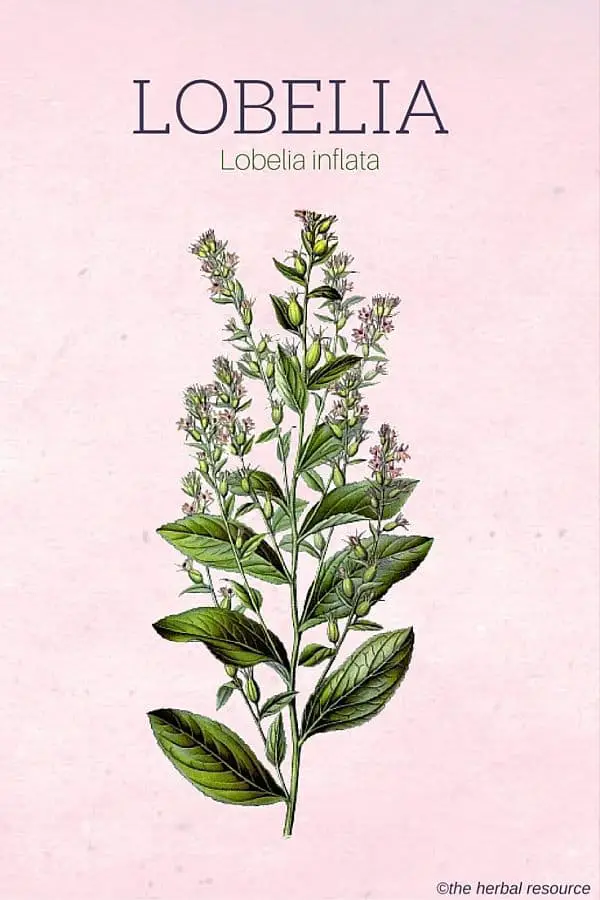
Botanical Name: Lobelia inflata.
Other Common Names: Lobelia, pukeweed, Indian tobacco, gagroot, asthma weed, vomitwort, bladderpod, rapuntium inflatum.
Habitat: Lobelia is found in the more dry areas of America and Canada.
Plant Description: This herb is named after Mattias de Lobel, a botanist who lived in the 17th century.
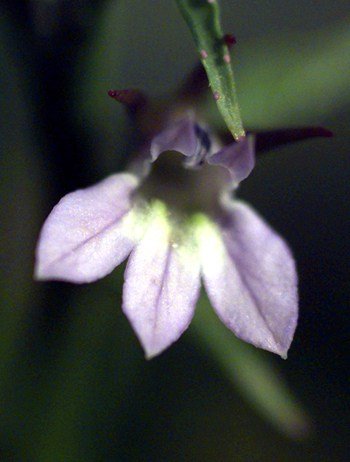
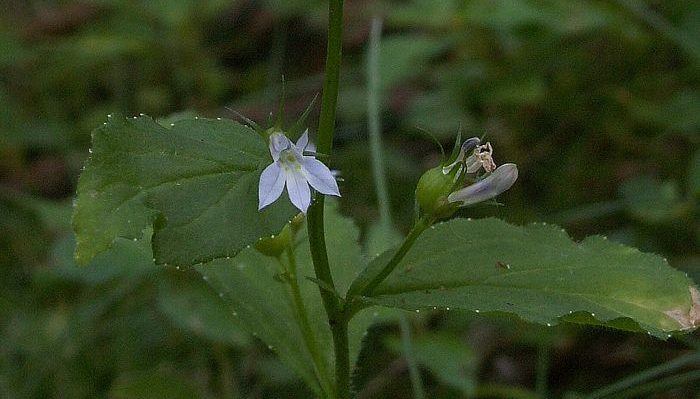
This herb is 30 to 60 cm high and with sparsely leaved stems; Lobelia is an annual or sometimes biennial plant. The delicate flowers stem from a central stalk and are pale blue to violet with a yellow tinge within, making this herb a popular flowering garden plant.
The partial explanation why this herb is compared to tobacco could be that, when chewed, this herb tastes similar to tobacco.
Plant Parts Used: Flowering parts and seeds.
Benefits, Therapeutic Uses, and Claims of Lobelia Inflata
Lobelia inflata was used in the 19th century as a medicinal herb to induce vomiting as a means to remove harmful toxins from the body, which explains one of its names “puke weed.”
Lobeline is a piperidine alkaloid found in the plant and gives rise to the therapeutic claims surrounding it.
The herb is thought to stimulate the respiratory center of the brain resulting in deeper and stronger breathing.
At a non toxic dose, lobelia is thought to be of value as an herbal remedy for treating bronchitis and whooping cough.
Lobelia inflata is a bronchodilator and antispasmodic which explains its popularity as a medicinal herb for asthma, spasmodic croup and pneumonia.
The herb has been used to ease anxiety and panic attacks. It has also been used externally to reduce swellings and as a pain reliever.
The plant has been used traditionally as an herbal remedy for insect bites and stings.
Lobelia is often considered a herb that is useful for tobacco withdrawal and as an herbal remedy to quit smoking.
While there is no information that consolidates this view, historically, lobelia has been used as an alternative to tobacco.
Lobeline is also believed to have a similar chemical action to nicotine and this too could give reasoning behind its use in tobacco withdrawal.
However, it is vital to note that this herb can have risks that outweigh its benefits. It has been known to cause vomiting, dizziness, hypothermia, convulsions and even death.
Dosage and Administration
Recommended dosages of lobelia are as follows:
Fluid extract or tincture – 1:1 ratio in 50% alcohol is 0.2-0.6ml three times daily.
Dried Herb – 0.2-0.6gr three times daily.
These doses must be discussed with a professional healthcare practitioner before commencing use.
Side Effects and Possible Interactions of Lobelia Inflata
Extreme care should be used with any medication to control asthma and Lobelia inflata is no exception.
It is essential to consult a doctor or other healthcare professional when altering medications and to investigate thoroughly how medicinal herbs and medications may interact with each other.
Lobelia inflata should be safe to use in very small doses but it has been known to be toxic even at relatively low doses and in some countries this herb is scheduled, meaning its sale is restricted.
Some practitioners argue that if lobelia could be produced in a standardized form, where lobeline is at a guaranteed dose, then this herb would be safer to prescribe.
Toxic doses of lobelia will give rise to symptoms such as nausea, vomiting, convulsions and can be fatal. Lobelia should be used only under the guidance of a qualified herbalist experienced in the use of this herb.
Supporting References
Rotblatt M, Ziment I.: Evidence-Based Herbal Medicine. Philadelphia, PA. Hanley & Belfus 2002.
Karch SB: The Consumer’s Guide to Herbal Medicine. Hauppauge, New York. Advanced Research Press 1999.
Brinker F. Herb Contraindications and Drug Interactions. 3rd Ed. Sandy, OR. Eclectic Medical Publications 2001.
Auerbach, P.: Wilderness Medicine, 5th Ed. Philadelphia, PA. Mosby Elsevier. 2007.


Thordur Sturluson
Latest posts by Thordur Sturluson (see all)
- What is the Difference Between Hemp and Marijuana? - June 3, 2019

You can use a homeopathic dilution of Lobelia to avoid the toxic side effects.