Botanical Name: Rehmannia glutinosa.
Other Common Names: Chinese foxglove, di-huang, shu di-huang, disui.
Habitat: The plant is endemic to China, Japan, and Korea.
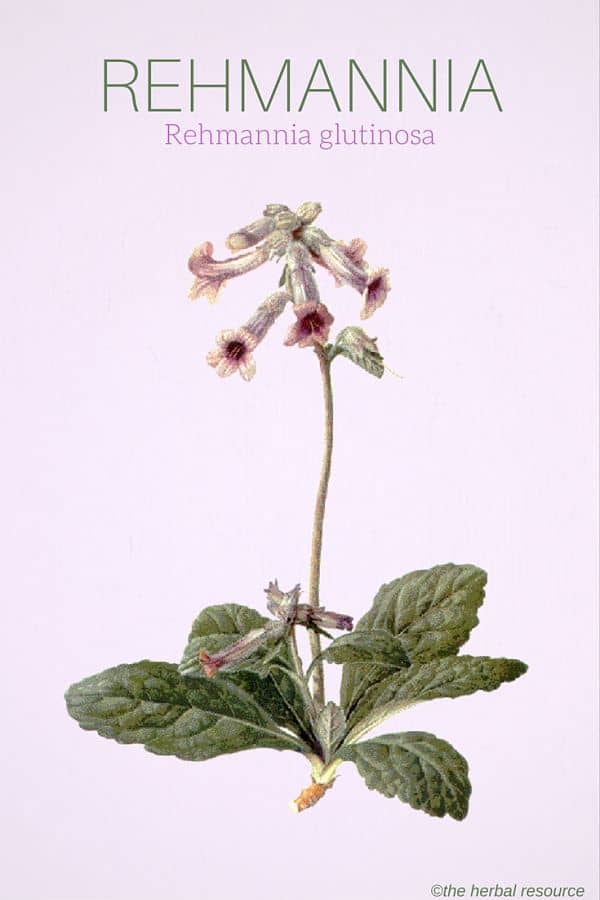
Plant Description: Rehmannia is a perennial plant of the Phrymaceae family also known as the lopseed family.
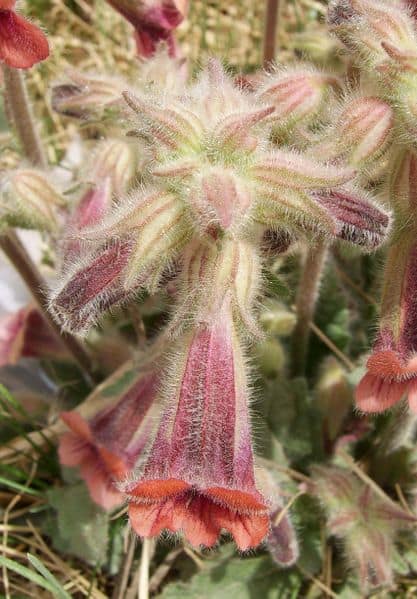
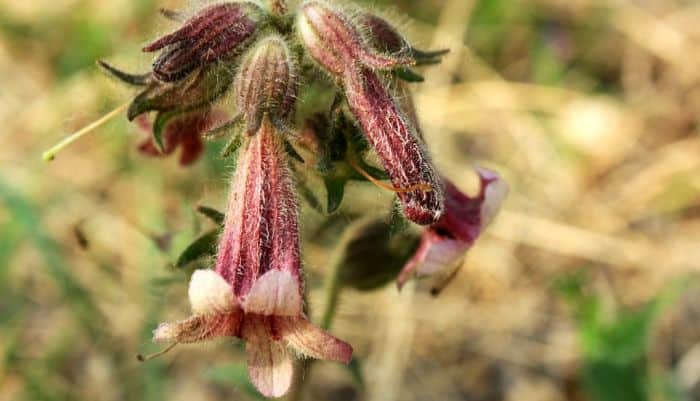
It is similar in appearance to foxglove (Digitalis purpurea). Its leaves are mostly at ground level and it blooms with flowers that can range from yellow to burgundy in color.
The plant was brought from Asia to the West in the eighteenth century and is cultivated mostly as an ornamental garden plant in the United States and Europe.
Plant Parts Used: The whole plant is used to make herbal medicine.
It is commonly used in combination with other herbs in Traditional Chinese Medicine and Japanese Medicine.
Therapeutic Uses and Benefits of Rehmannia
Rehmannia is the most important Chinese herb for disorders of the kidneys and adrenal glands.
It also appears to combat adrenal suppression caused by steroid hormones and has a similar tonic effect on the adrenal cortex as licorice.
A feature of rehmannia is that it is in a small group of herbs that are used to autoimmune diseases such as lupus, rheumatoid arthritis, fibromyalgia and multiple sclerosis.
Used to combat the symptoms and progression of these illnesses, anti-inflammatory herbs used include rehmannia, Indian sarsaparilla (Hemidesmus indicus) and bupleurum (Bupleurum chinense).
Rehmannia also hinders the breakdown of cortisone products in the body, which lengthens the effect of this herb.
In one study, patients with rheumatoid arthritis were treated with rehmannia and experienced good results, including a reduction of joint pain, swelling, and increased joint movement.
The herb also improved the general symptoms of asthma and urticaria. Mild edema developed in a small percentage of patients which is a similar reaction to that induced by adrenocortical hormones.
In traditional Chinese medicine (TCM) the unprocessed rehmannia root is used to reduce heat in the blood, to nourish yin and promote the production of body fluid. Indications for TCM use include febrile diseases, skin eruptions, and nosebleed.
In Western herbal medicine, rehmannia root extract is looked upon as an adrenal tonic; and is believed to support the cells of the adrenal cortex and pituitary during times of prolonged stress.
Oral doses (10-500 mg/kg) of rehmannia fluid extract had an immune modulating effect in an experimental model.
Rehmannia root could, therefore, be helpful in addressing autoimmune conditions of the adrenals and thyroid.
Unlike liquorice (also an adrenal tonic), rehmannia root is suitable for use in patients with hypertension (high blood pressure).
The herb’s main active principles are iridoid glycosides. Catalpol was the first of these isolated from the herb, and it appears its main function is to stimulate the production of adrenal cortical hormones.
These hormones are anti-inflammatory and explain the use of the herb in treating asthma, skin diseases, and arthritis. Catapol is also used to increase the production of sex hormones and in TCM.
Rehmannia root is prescribed to treat menopause, impotence, hair loss (alopecia) and other hormone deficiencies.
Dosage and Administration
The dose range for rehmannia root is wide-ranging depending on the preparation used and is best discussed with a healthcare practitioner.
Side Effects and Possible Interactions of the Rehmannia Root
Rehmannia root is not suitable for pregnant or breastfeeding women.
This herb may cause loose bowel movements in some people and may cause bloating.
In some rare instances nausea and abdominal pain may be experienced when using this herb.
Supporting References
Foster,Steven and Yue chongxi: Herbal Emissaries: Bringing Chinese Herbs to the West. Healing Arts Press 1992.
Bone, K. and N. Burgess: How To Prescribe Herbal Medicine. 2nd Ed. Warwick. MediHerb Ltd. 1992.
Bone, K.: Post Graduate Course in Phytotherapy. Warwick. MediHerb Ltd. 1990
Usher, G.: A Dictionary of Plants Used by Man. London, England. Constable and Company Ltd. 1974.
Yeung, Him Che: Handbook of Chinese Herbal Formulas. 2nd Ed. Redwing Book Co. 1985.


Thordur Sturluson
Latest posts by Thordur Sturluson (see all)
- What is the Difference Between Hemp and Marijuana? - June 3, 2019

Why is rehmannia “not suitable for breastfeeding women”?
Rehmannia is not recommended in pregnant or breastfeeding women due to a lack of available scientific evidence.
How long should a woman take rehmannia root for osteoporosis before having an additional DXA scan? Is one year long enough to rebuild bone mineral density?
Dr have developed patch of Rehmannia roots placed on bally for treatment of diabitees,is it true?