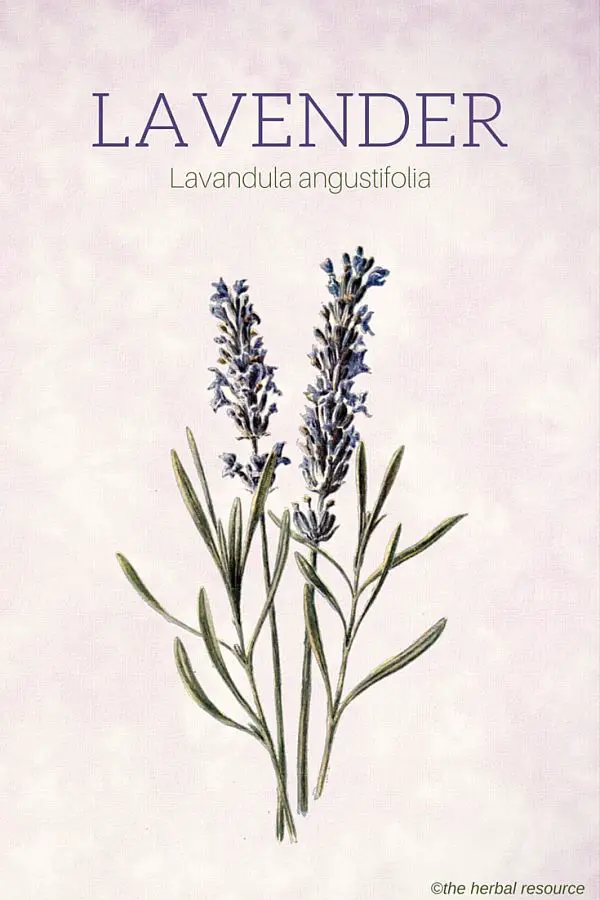
Botanical Name: Lavandula angustifolia, Lavandula officinalis.
Other Common Names: Common, English, French, garden, spike, sweet and true lavender.
Habitat: Lavender is a hardy perennial that is native to the mountainous zones of Mediterranean countries.
It grows in sunny, dry, well-drained habitats and thrives in sandy or stony soil types.
This medicinal and culinary herb is seen throughout southern Europe, Australia, and North America and is a common garden addition due its lovely color and fragrance.
Plant Description: There are 25 to 30 species of lavender that belong to the mint family, (Lamiaceae), but it is Lavandula angustifolia and Lavandula officinalis that are most commonly cultivated at a commercial-scale.
The name lavender comes from the Latin word “lavare”, which means “to wash”, and refers to its long time use in bath water to soothe and calm as well as ease muscle pain.
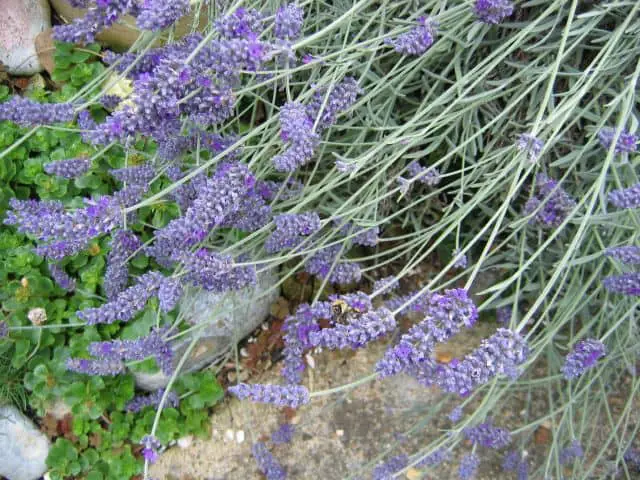
The plant is a heavily branched perennial shrub that only reaches about 2 feet in height. The branches are woody and have upright, rod-like, leafy green shoots. The thin gray-green opposing leaves are covered by a silvery down.
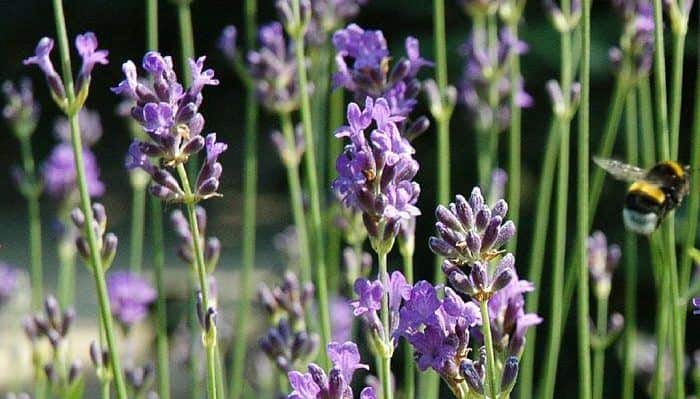
Plants bloom from June to September and the flowers are arranged in spirals of 6 to 10 blossoms perched atop spikes above the foliage.
Colour can range from pale pink, dark purple, blue-violet, white, or magenta depending on the variety. It is the blossoms that contain the fragrant lavender oil.
This herb is vulnerable to spittle bugs and caterpillars, as well as fungal diseases and root rot if there is insufficient drainage.
Plant Parts Used: The flowers.
Therapeutic Uses, Benefits and Claims of Lavender
Lavender is perhaps best known for its calming and soothing effects.
There is evidence that it may slow the activity of the nervous system and therefore promote relaxation, improve sleep quality and bring about emotional balance.
For this reason, it is often used in combination with other herbal remedies as it treats physical symptoms with a nervous element, such as tension induced headaches, heart palpitations, or stress related digestive issues.
Lavender’s calming effect on the nervous system has also made it a valuable herbal remedy for the treatment of insomnia.
Traditionally, lavender flowers were stuffed into pillows to help restless people sleep and today it is a common ingredient in baby bath soaps to promote restful sleep.
This medicinal herb is used topically to treat fungal infections, wounds, eczema, varicose ulcers, sunburned skin and acne.
Lavender is thought to be a useful herbal remedy for many symptoms associated with menstruation and other female related ailments.
Its anti-spasmodic effect may relieve menstrual cramps and it could be useful in relieving headaches and exhaustion as well as improving mood.
It is also thought to stimulate blood flow to the pelvic area and uterus and therefore stimulate menstruation.
Recent studies have indicated that the herb used as aromatherapy could be helpful as herbal remedy for dementia.
The herb is currently being investigated for its antiviral and antibacterial properties. It contains volatile oils known to have significant antiseptic value.
Evidence suggests that lavender is an effective natural treatment for pathogenic bacteria such as the strains responsible for diphtheria and typhoid, as well as streptococcus and pneumococcus.
Its antiseptic qualities, which are enhanced when used in conjunction with tea tree oil, also make lavender useful in treating wounds and insect bites.
When lavender oil is used topically as a chest rub, it is a traditional treatment for relief of symptoms associated with common colds, chronic coughs, asthma, persistent bronchitis, pneumonia, flu, persistent tonsillitis, and laryngitis.
Many digestive disorders have been treated naturally with lavender.
It may soothe muscle spasms and ease colic, relieve abdominal distension, persistent flatulence, spells of nausea, diarrhea and indigestion. It is also believed to boost flagging appetites.
Lavender oil has been used on the scalp to help treat head lice but also to promote hair growth among patients with the autoimmune disease alopecia areata.
The plant has also been used as an herbal treatment for halitosis and mouth ulcers when used as a mouthwash.
Dosage and Administration
To prepare lavender tea use 1-2 tsp of whole dried herb, or 1 tbsp fresh herb, per cup of boiling water. Steep for 10-15 minutes and drink 1 to 3 cupfuls a day.
A tincture can be prepared in a ratio of 1:4 and a dosage of 20-40 drops can be taken 3 times daily.
Lavender oil can be used topically and is safely applied undiluted, though 1-4 drops can be added to a base oil (almond or olive) for ease of application.
For an inhalation preparation, add 2-4 drops of oil to 2-3 cups of boiling water and inhale the vapors.
Potential Side Effects of Lavender
There are no known interactions between lavender and conventional medications, however, because it stimulates relaxation, it may increase the effects of depressants such as morphine or oxycodone, as well as anti-anxiety agents or sedatives.
It may also increase the sedative effect of antihistamines.
The oil is toxic if taken in large doses orally.
It can induce drowsiness and muscular convulsions. Direct contact should also be avoided around eyes or mucous membranes such as lips and nostrils.
Some people may have allergies to lavender; dermatitis, nausea, vomiting, headache, and chills are reported side effects in these cases.
Pregnant or breastfeeding women should avoid the use of lavender. Oral use in children is not recommended as there is some evidence that it may cause breast development in boys.


Thordur Sturluson
Latest posts by Thordur Sturluson (see all)
- What is the Difference Between Hemp and Marijuana? - June 3, 2019

Leave a Reply